Skip to content

Micro Quadrax/Twinax

NDL, SMA and Micro-D Size Shells

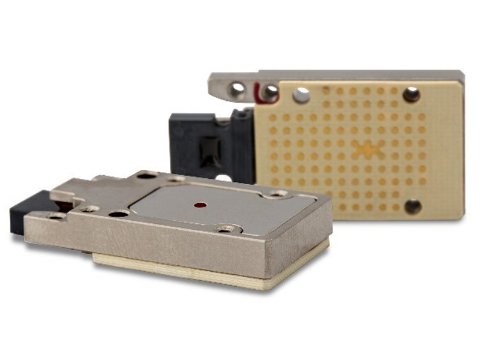
Micro quadrax/twinax connectors are available in threaded, quick disconnect, SMA and Micro-D size packages, 25% smaller in diameter than SMA coaxial connectors, controlled impedance with tightly spaced PCB footprint.

Brochure

Features & Benefits

  • Micro twinax available in threaded, quick disconnect, SMA and Micro-D size packages
  • 25% smaller in diameter than SMA coaxial connectors
  • Controlled impedance with tightly spaced PCB footprint spacing
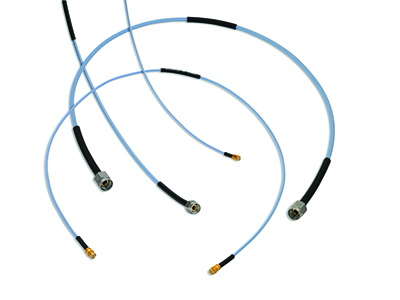
  • Cable assembly options available
  • Featuring Sabritec technology

Overview

Micro quadrax connectors maintain the signal to shield impedance throughout the mated connector pair (quad configuration applications exceeding 1 Gbit/sec) and are available in threaded versions including straight and right angle cable mount and PCB mount configurations. Micro Twinax line features matched impedance miniaturized connectors that provide the user with controlled impedance and tightly spaced PCB footprint spacing. These connectors are available in true differential twinax packages of NDL, SMA and Micro-D size shells. The NDL Micro Twinax Series is offered in threaded and quick disconnect styles and are 25% smaller in diameter than SMA coaxial connectors. The quick disconnect version has a diameter of .250" max and the threaded version has .250" Hex coupling nut.

Related Products

  • Image of Micro-D Twinax (MDTX)

    Micro-D Twinax (MDTX)

    Twinax blindmate assemblies fitted into a low-profile metalized Micro-D style shell.

Related News

  • Image of Optical interconnect for high-speed, high- bandwidth 10GigE and 40GigE cameras used in machine vision.

    Taking the Fast Bridge between Neural Networks

    Neural networks have been around since the 1950s. The advent of fast, massively parallel processors like the Graphics Processing Unit (GPU) have made neural network applications like object recognition feasible. Neural networks are one means used to create Artificial Intelligence (AI). The latest iPhones now have an AI chip, primarily to offload face recognition tasks.1 Voice translation tasks would also benefit from an AI chip. Google provides voice translation as long as there is access to a cloud. The ability to translate directly from a phone without requiring Internet access to Google engines would be advantageous, and it’s possible that the iPhone is headed in that direction.