 Skip to content
- High insertion life
- Suited for blind mate connections
- Low profile, high compliance ratio
- Ideal for high shock and vibration environments

Spring probe techology in custom connectors
Spring probes are designed to optimize performance in high reliability, multicycle applications. Smiths Interconnect’s spring probes are compliant which makes them ideal for blind mate applications as they self correct for x, y, z, rotational and angular misalignment of the target. Offered in compressed heights less than 2 mm and utilized on pitches as tight as 0.4 mm, they are well suited for high density, board-to-board, battery contact and high frequency applications. Mixed signals and functionality can be designed into a single connector.
Featuring C Series Spring Probes, renowned for their incomparable shock and vibration performance, housed in a patented block design.
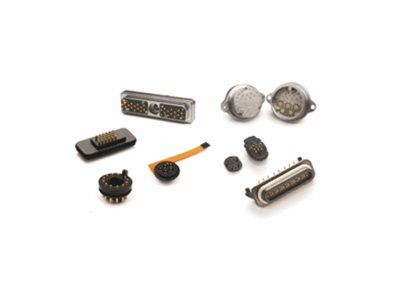
Smiths Interconnect worked with the manufacturer’s design team to modify the design to provide additional alignment and retention of the magnet latch connectors for the medical detectors.
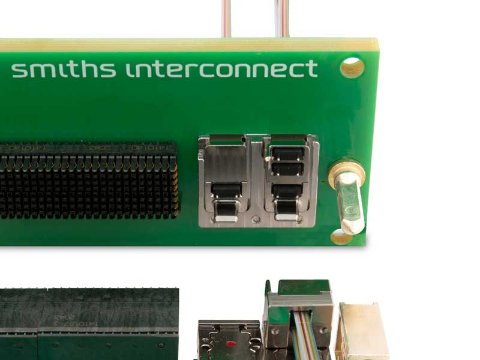
To meet the demands of mission-critical applications, Smiths Interconnect offers a comprehensive range of backplane connectors, known for their performance and reliability.
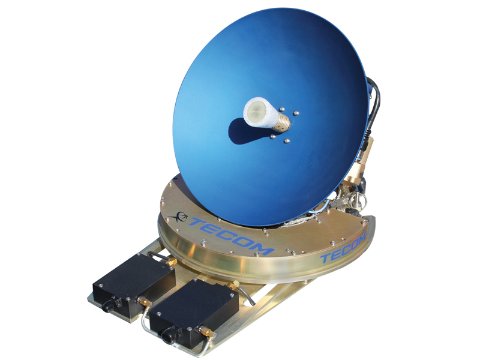
Tail-mount antenna system delivers commercial and military Ka-band worldwide coverage for Airborne Intelligence, Surveillance and Reconnaissance (ISR)
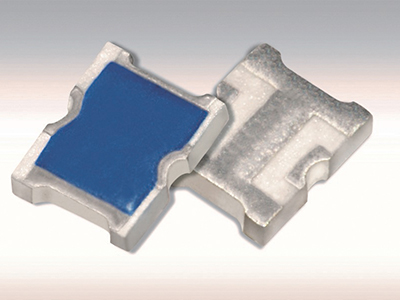
Utilizing more than 40 years of experience in refining attenuation solutions for the defence, the TT9 offers a power handling capability of 500 mW while maintaining excellent impedance matching in an SMT package.